A science gift can turn an ordinary afternoon into a chance to dig, build, look closely, or ask a new question. The right choice depends on the child’s age, interests, and how much adult help the activity may need.
These seven ideas include dinosaur discoveries, beginner-friendly building, and practical supplies for drawing and school projects.
7 Gift Ideas for Curious Kids
Dan&Darci Dig a Dozen Dino Egg Kit
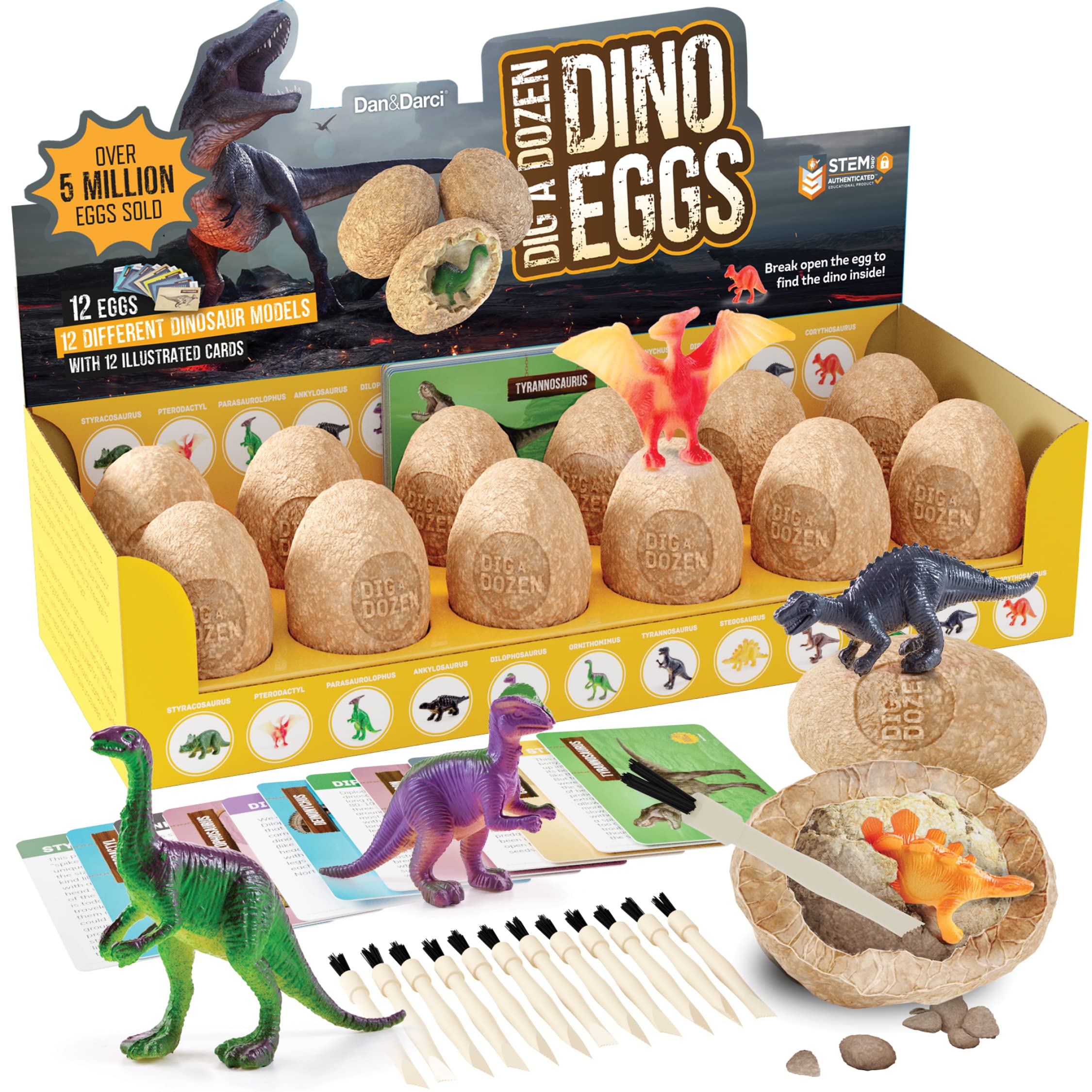
- The kit pairs excavation with a dinosaur discovery in each egg.
- It includes tools and guides for the digging activity.
- Learning cards describe each dinosaur’s history.
Best Gift For: A young dinosaur fan who would enjoy excavation and learning about different dinosaurs.

Educational Insights GeoSafari My First Microscope
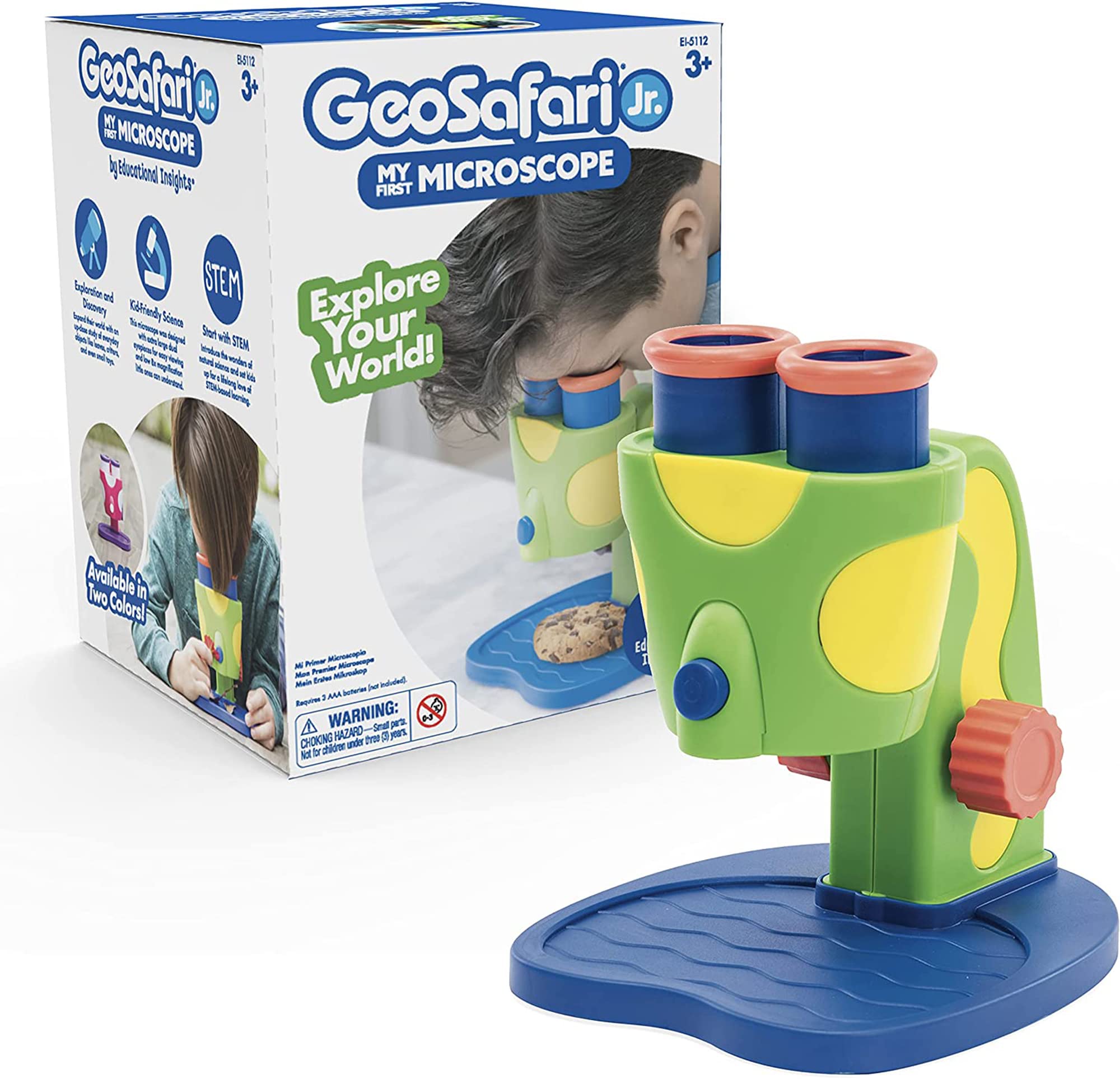
- Two large eyepieces let children keep both eyes open.
- The set comes with prepared slides and storage.
- The overhead light illuminates the sample tray.
Best Gift For: A child ready to explore samples and try an introductory microscope activity.
SmartMax My First Dinosaurs Magnetic Building Set
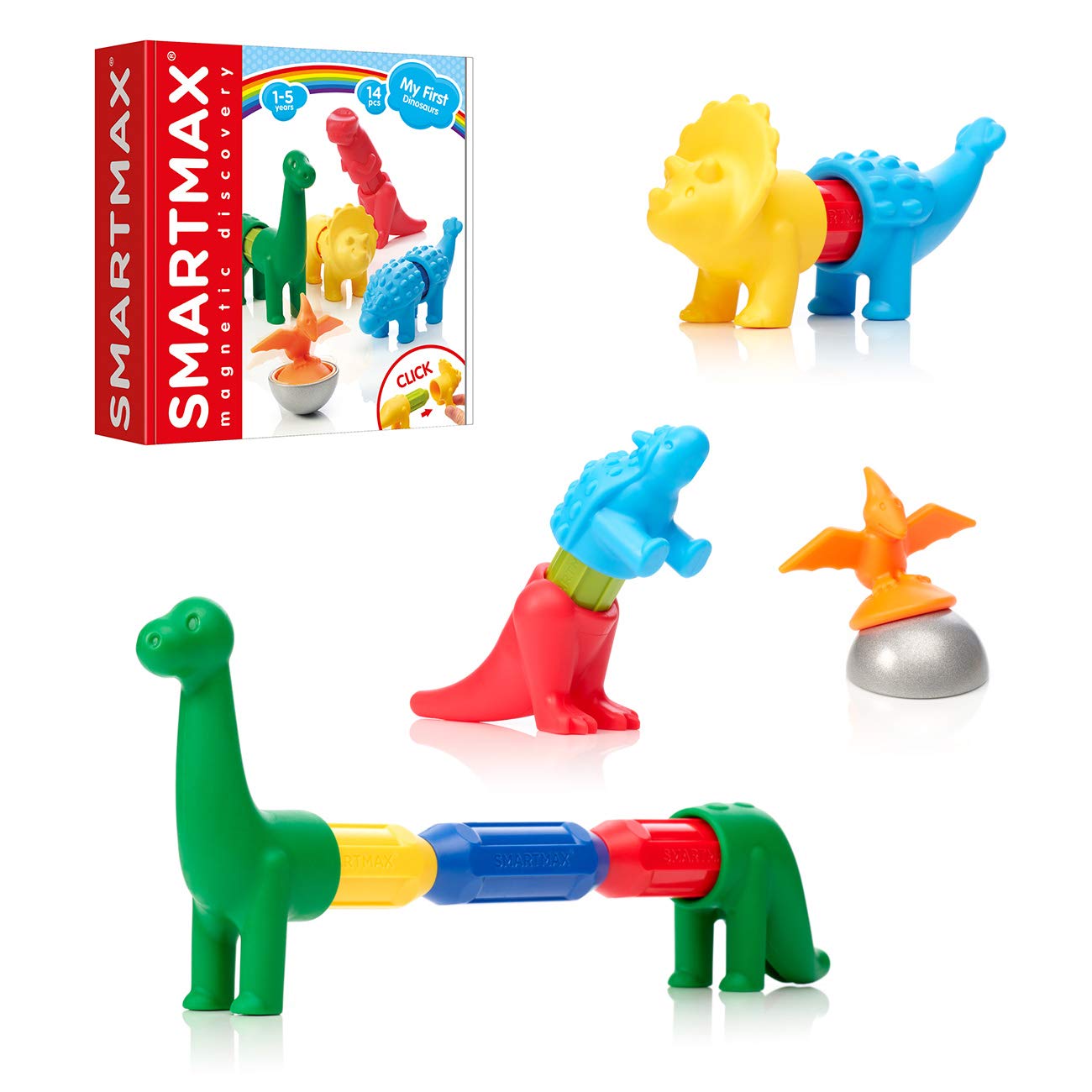
- Children can build dinosaur figures or mix pieces into new creations.
- Clicking pieces together introduces early magnetism and problem-solving.
- The set includes colorful magnetic bars and soft dinosaur pieces.
Best Gift For: A young dinosaur lover who enjoys hands-on building and mixing pieces into new creations.
Learning Resources 1-2-3 Build It Robot Factory
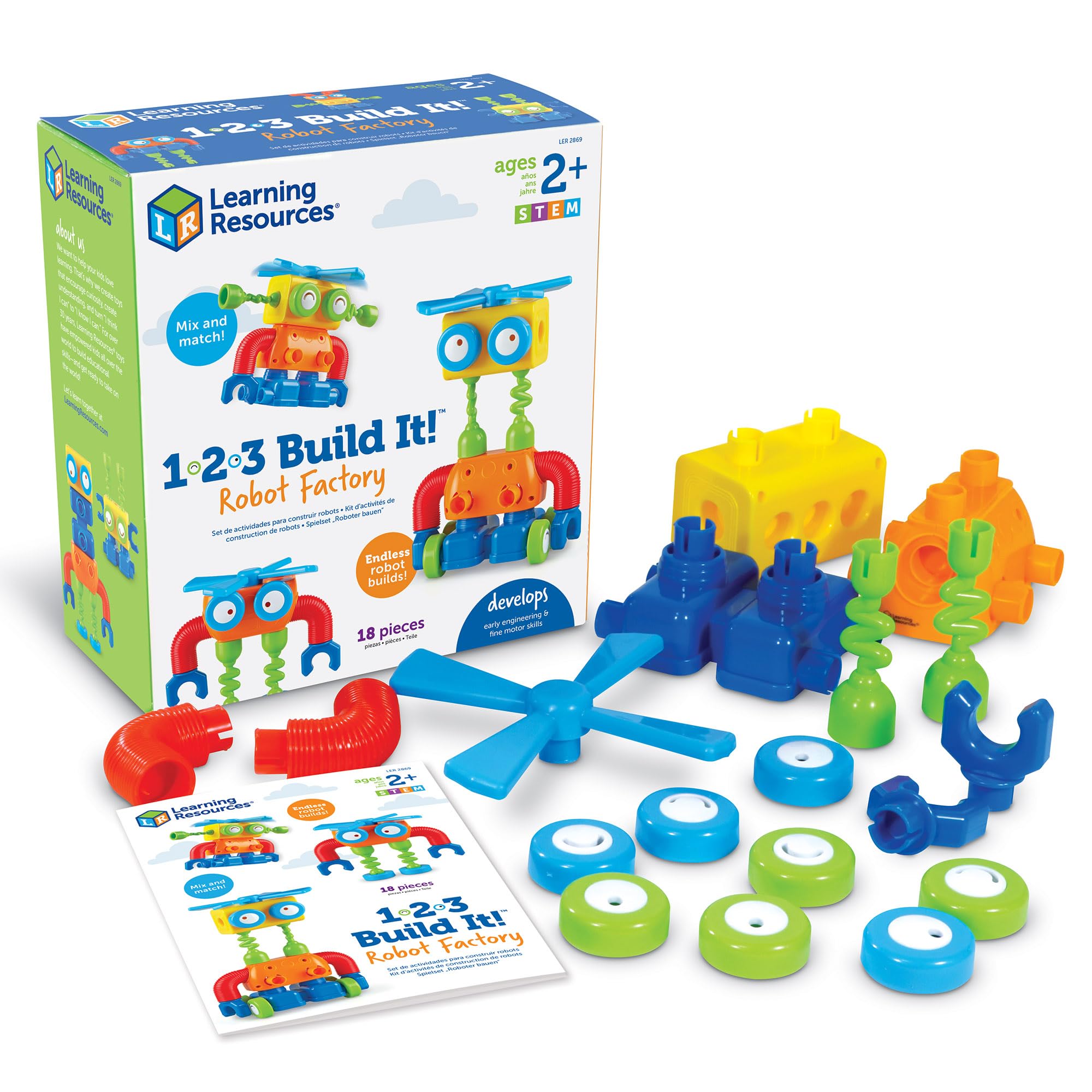
- Children can create their own imaginative robot designs.
- The activity encourages early engineering and critical thinking.
- The pieces are designed for little hands to handle.
Best Gift For: A young child who likes assembling playful creations and practicing early building skills.
U.S. Art Supply 11"x14" Sketch Book, 2-Pack
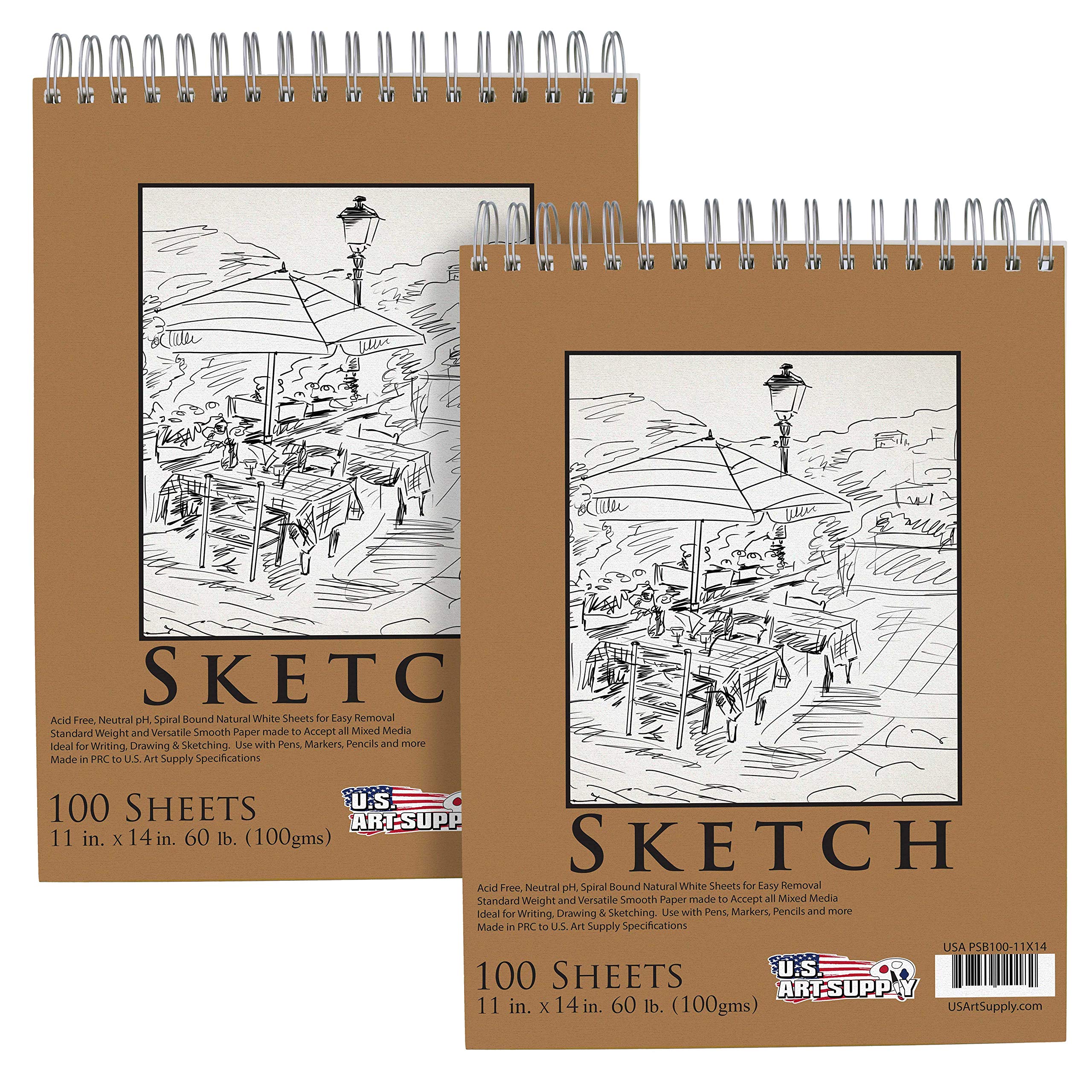
- The two pads have 200 sheets total.
- The paper is suited to many dry media.
- Top spiral binding makes page-turning easy.
Best Gift For: A child who likes drawing observations, diagrams, or ideas alongside science activities.
PILOT G2 Green Fine Point Gel Pens, Pack of 12
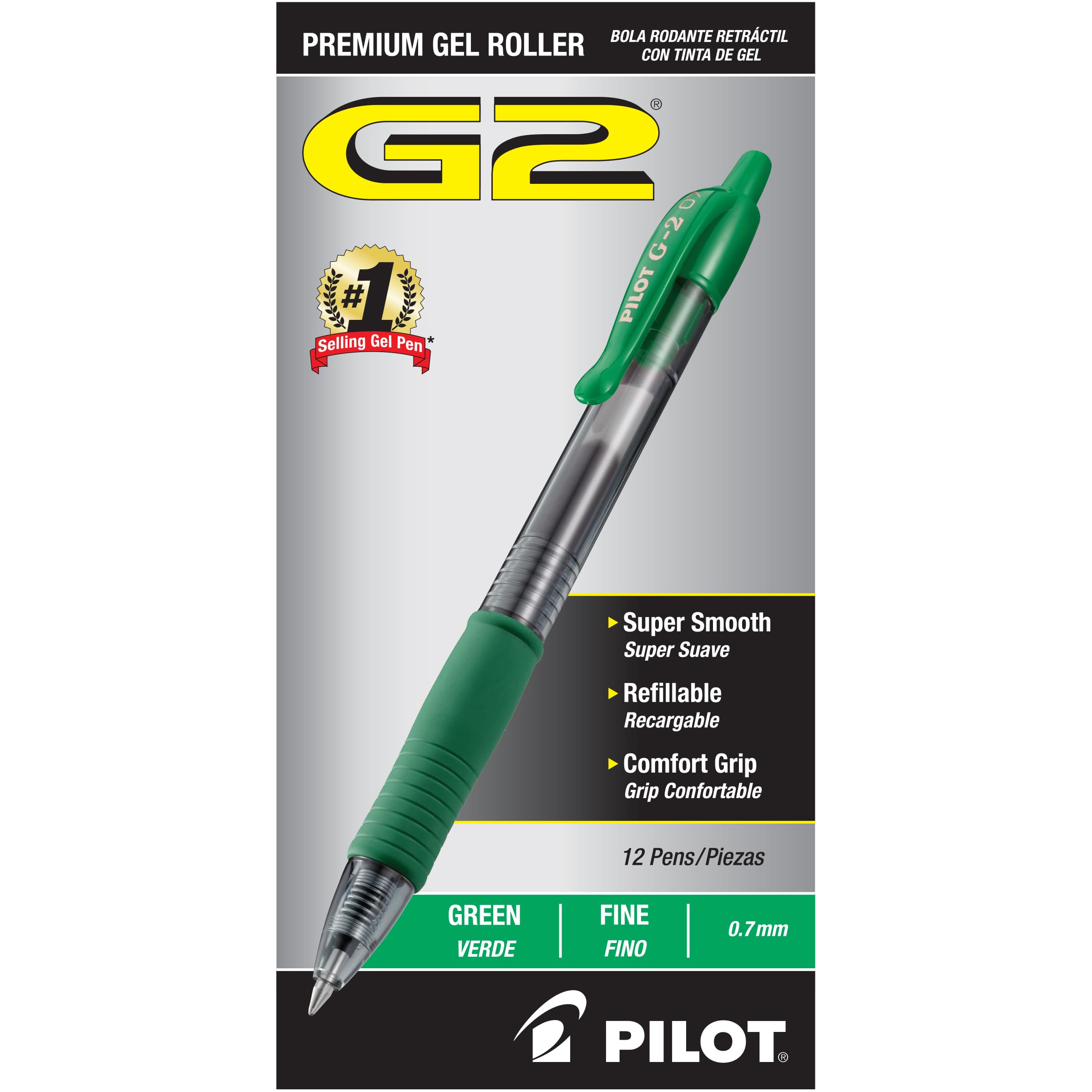
- The pens use green ink and have a fine point.
- Their contoured rubber grip supports longer writing sessions.
- The retractable pens can be refilled with Pilot G2 refills, sold separately.
Best Gift For: A student who would use green pens for school notes, planning, or science writing.
SKYDUE 360 Degree Rotating Desk Organizer
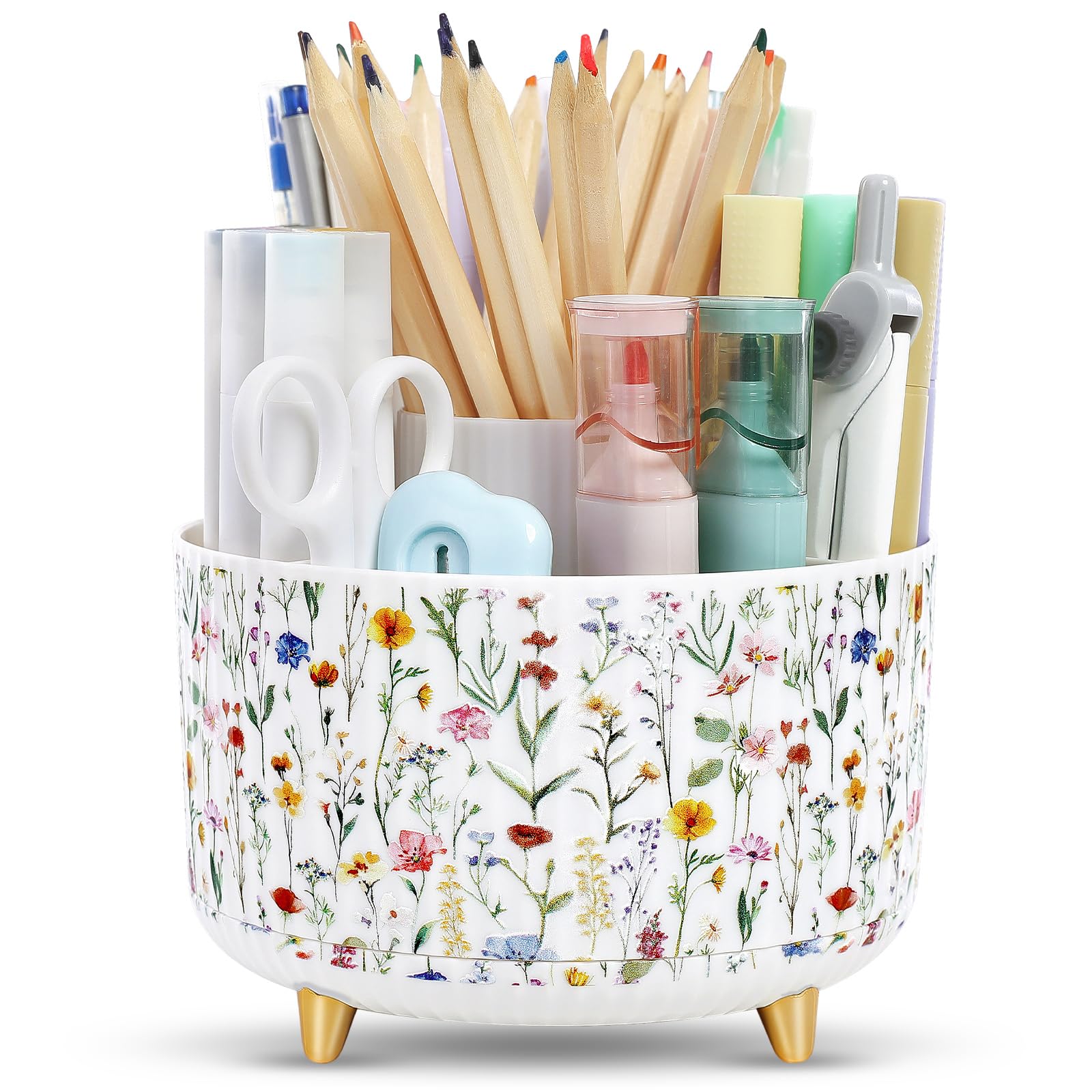
- Five compartments provide storage without taking much desktop space.
- The holder rotates to make writing tools easier to reach.
- It can hold everyday office or art supplies.
Best Gift For: A student who could use an organized spot for pens and small desktop supplies.
Choosing Gifts for Kids Who Love Science
Start with the child’s age, attention span, and appetite for hands-on activities. Some children enjoy a clear task, such as excavating and identifying a dinosaur, while others prefer open-ended building or drawing.
A gift that matches how they like to explore is more likely to invite repeat use.
Think about the kind of help the activity may need. Younger children may enjoy building with large, easy-to-handle pieces, while an introductory microscope can suit a child ready to look closely at prepared samples.
Consider whether an adult will be nearby to set up, explain, or tidy the activity.
For gifts for kids who love science, a useful question is what they already enjoy doing: collecting facts, making things, observing details, or recording ideas. That can guide the choice toward a focused kit or a flexible supply that fits into schoolwork and play.
Balancing Budget and Usefulness
A lower-cost gift can still feel thoughtful when it connects to a child’s interests. Writing tools or a desk organizer may be useful every day, while a themed activity can make a birthday or holiday feel special.
Consider how often the child might use the item and whether it will work with supplies they already have.
For a larger present, think about whether the child will use it alone or share it with a sibling or friend. A kit with several components can support a longer activity, and a building set may invite repeated combinations.
The value is in the fit and likely use, not simply the size of the box.
Set a comfortable spending range first, then check current prices and what is included before buying. For tools or accessories, confirm compatibility with anything the child already owns.
Practical checks help prevent a well-meant gift from needing an unexpected extra purchase.
Personal Touches and Presentation
A small note can make a science gift feel personal: invite the child to draw what they observe, build a new creature, or share one question they want to investigate. Keep the invitation open-ended so the activity feels like play rather than an assignment.
Pair a main gift with a simple, useful extra when appropriate, such as paper for sketches or a place to keep writing tools. Choose additions that support the child’s own interests and avoid assuming they need a particular hobby or project to enjoy the present.
For gifts for kids who love science, presentation can set up a welcoming first activity. Wrap the gift with a notebook or blank card for ideas, or add a short handwritten prompt like “What would you like to discover?” A few thoughtful words can make even a practical item feel considered.
Choosing for the Moment
Consider where the gift will be used. A tabletop activity may suit a child who enjoys focused time at home, while drawing supplies or pens can travel between home and school more easily.
If space is limited, look for an option that can be stored neatly and brought out when needed.
Also consider whether the child likes directions or prefers experimenting. Guides and prepared materials can give a beginner a starting point; building pieces and sketch paper leave room to invent.
Either approach can support curiosity when it matches the child’s temperament and the family’s available time.
If you are buying for a classroom or a group, think about sharing and cleanup. Multiple components can be useful for taking turns, while everyday supplies may be easier to distribute.
Check age guidance and any setup needs so the gift suits the recipient and the setting.
Last-Minute Buying Advice
When time is short, choose a gift with a clear connection to what the child already likes and a straightforward purpose. A familiar interest such as dinosaurs, building, or drawing can make the decision easier.
Read the current product details to confirm the selected version and included components.
Before placing an order, verify dimensions, compatibility, and any batteries or additional supplies needed. These details can matter especially for desk items, microscopes, and refillable writing tools.
Check current delivery estimates for your location rather than relying on assumptions about timing.
If the gift is for a birthday or classroom occasion, keep the presentation simple: a gift bag, a short card, and a specific invitation to explore are enough. A thoughtful choice does not need an elaborate plan.
Giving the child room to use it in their own way is part of the gift.