For kids who love science, a good gift can turn an ordinary afternoon into a chance to explore, build, or make something. These six picks span several ages and interests.
There are hands-on science kits alongside practical supplies for drawing and note-taking, so you can choose a gift that fits the child and the way they like to learn.
6 Gift Ideas for Kids Who Love Science
GeoSafari My First Microscope
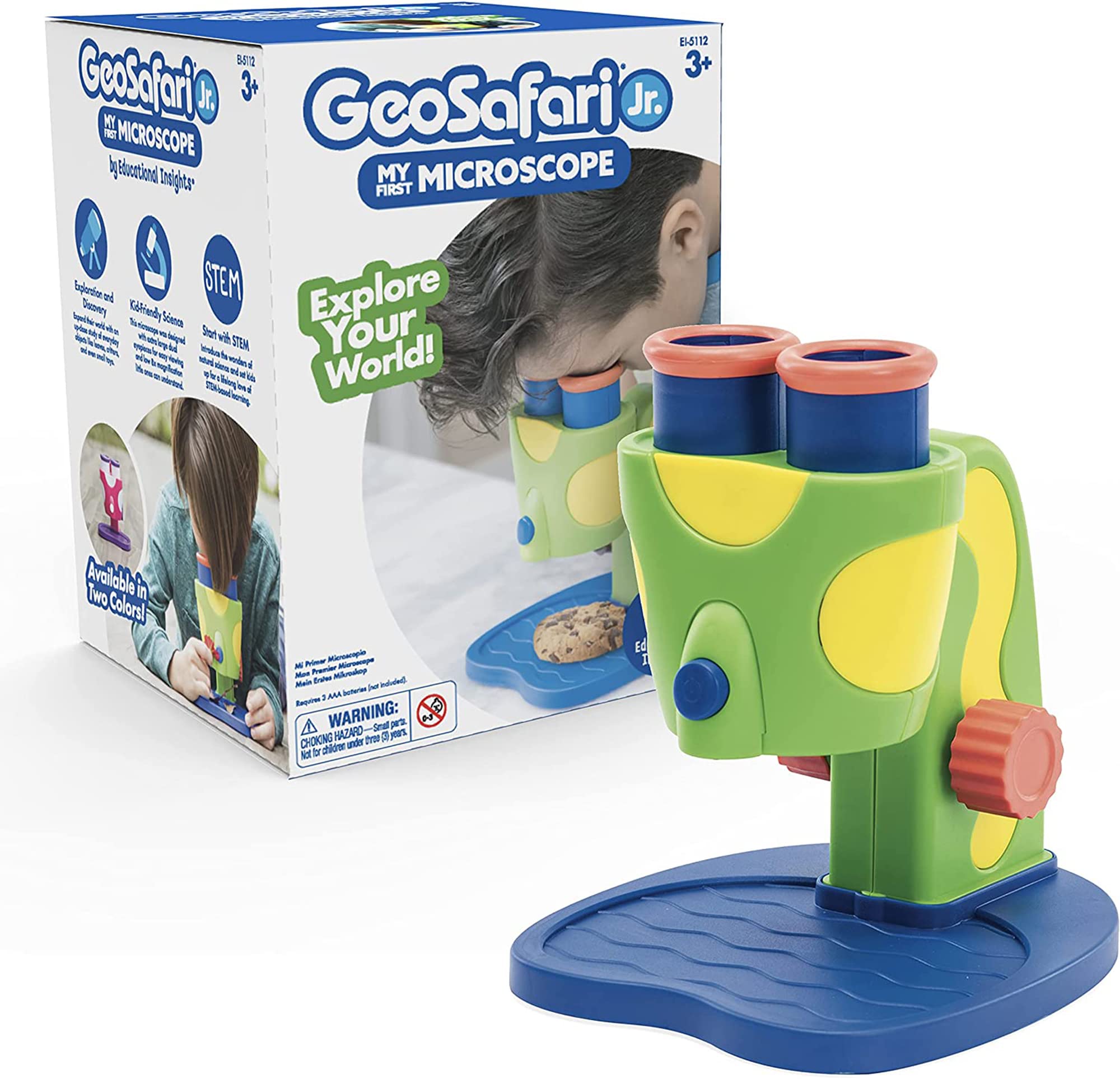
- Large eyepieces and a kid-sized focusing knob make the microscope approachable for young users.
- An overhead LED light illuminates the sample tray.
- The kit includes prepared slides for an immediate first look.
Best Gift For: Young children curious about looking closely at the world around them.

Light-Up Crystal Growing Kit
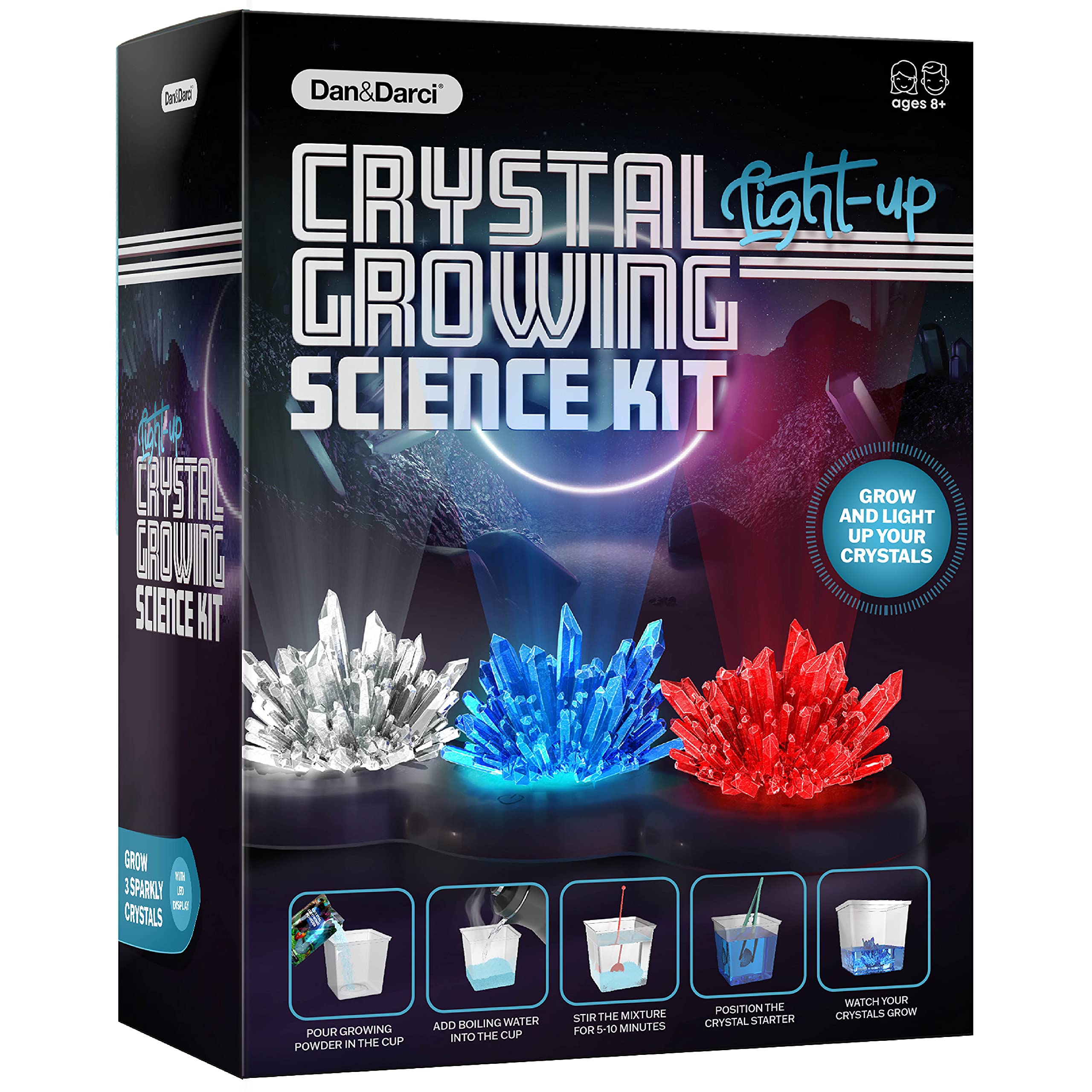
- Grow red, blue, and clear crystals, then display them with light.
- A booklet introduces how crystals form.
- The kit includes cups, crystal materials, tools, and an illustrated guide.
Best Gift For: Kids who enjoy following a hands-on experiment and displaying what they make.
1-2-3 Build It Robot Factory
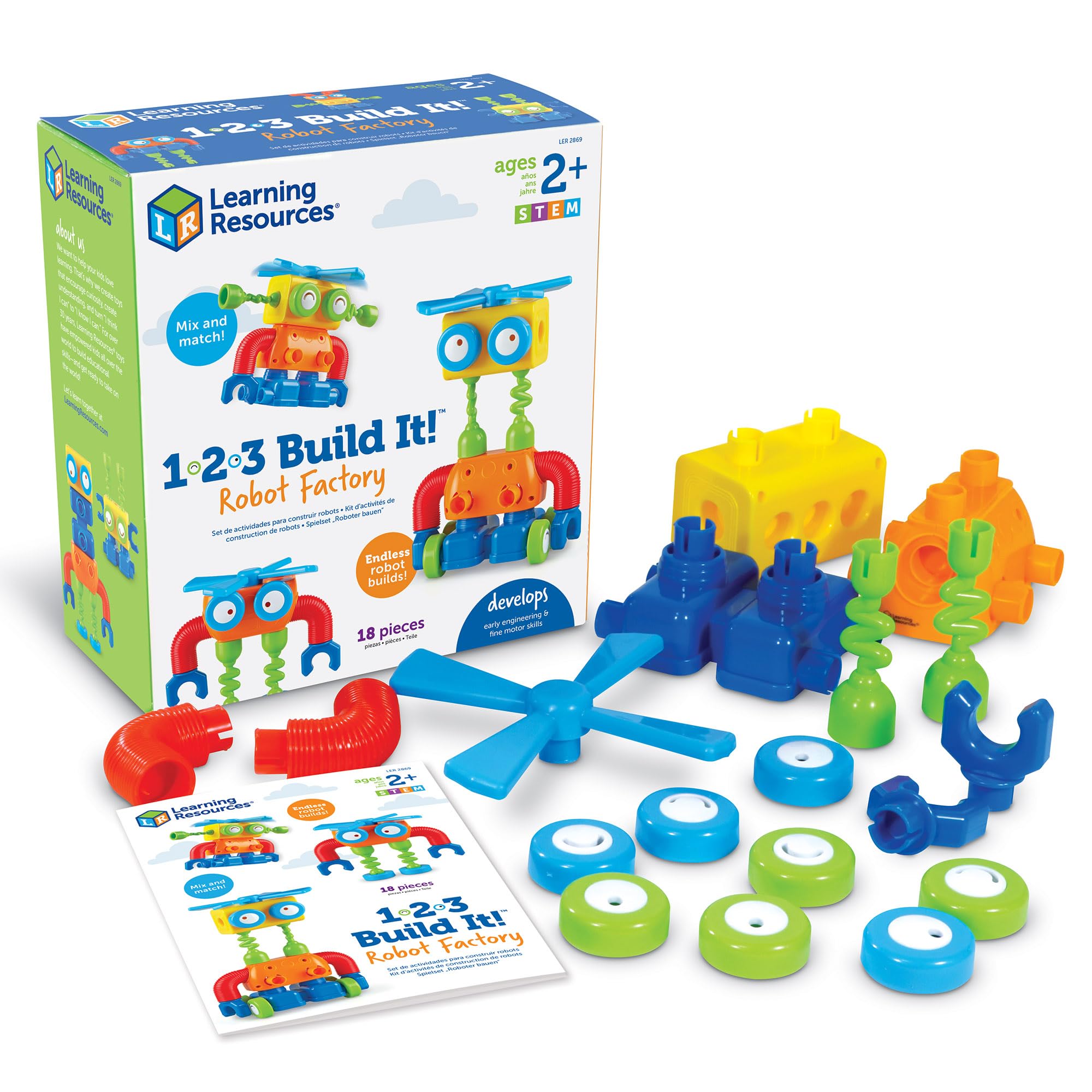
- Children can make their own robot creations with the build-it-yourself toy.
- The pieces are designed to be easy for little hands to handle.
- It works with other sets in the same line.
Best Gift For: Young children ready to make imaginative robot creations while practicing early building skills.
SmartMax My First Dinosaurs Set
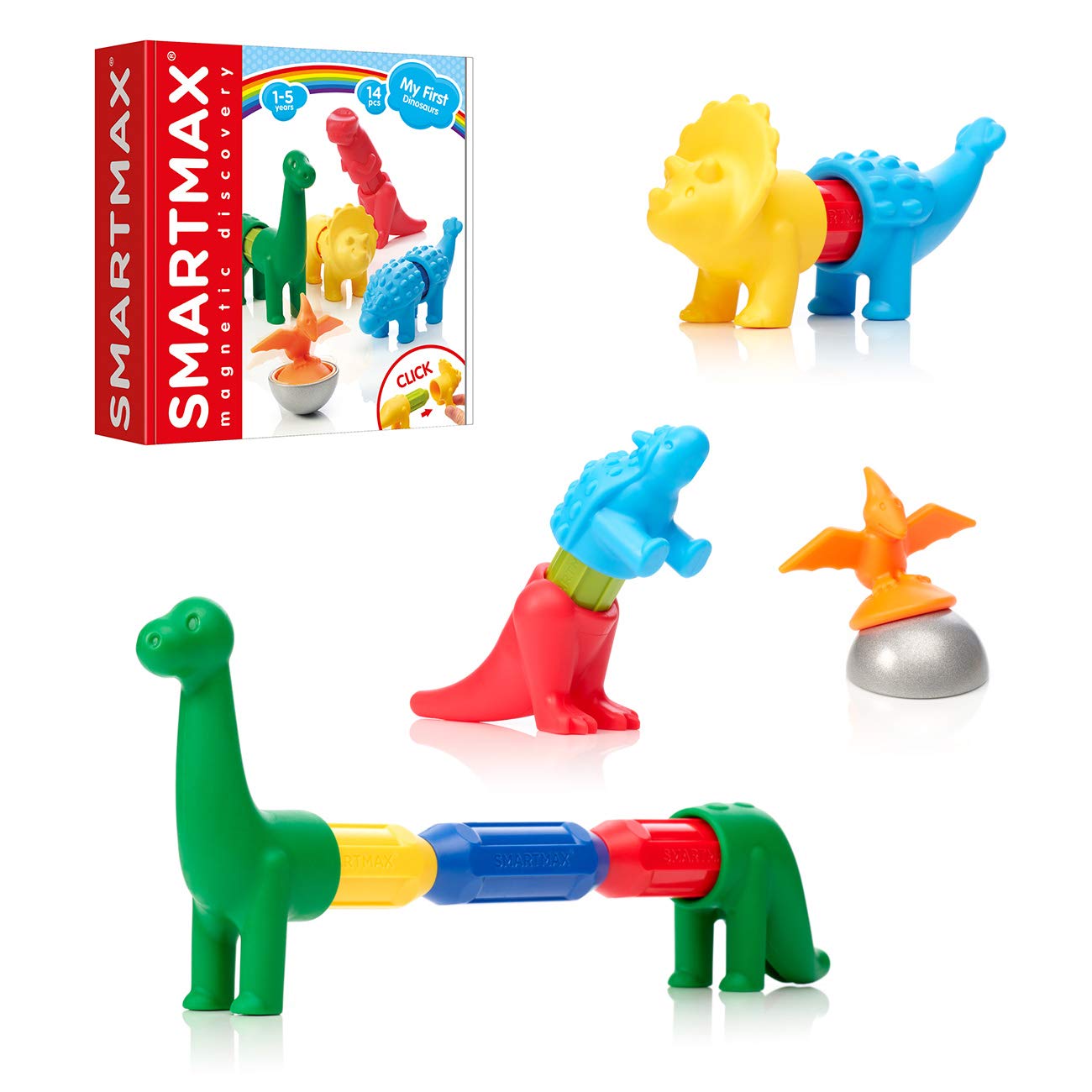
- The pieces can form several dinosaur builds or be mixed into new creations.
- The set comes with colorful bars and dinosaur pieces.
- SmartMax sets can be combined to expand building play.
Best Gift For: Very young dinosaur fans who like connecting magnetic pieces and making different builds.
U.S. Art Supply Sketchbook 2-Pack
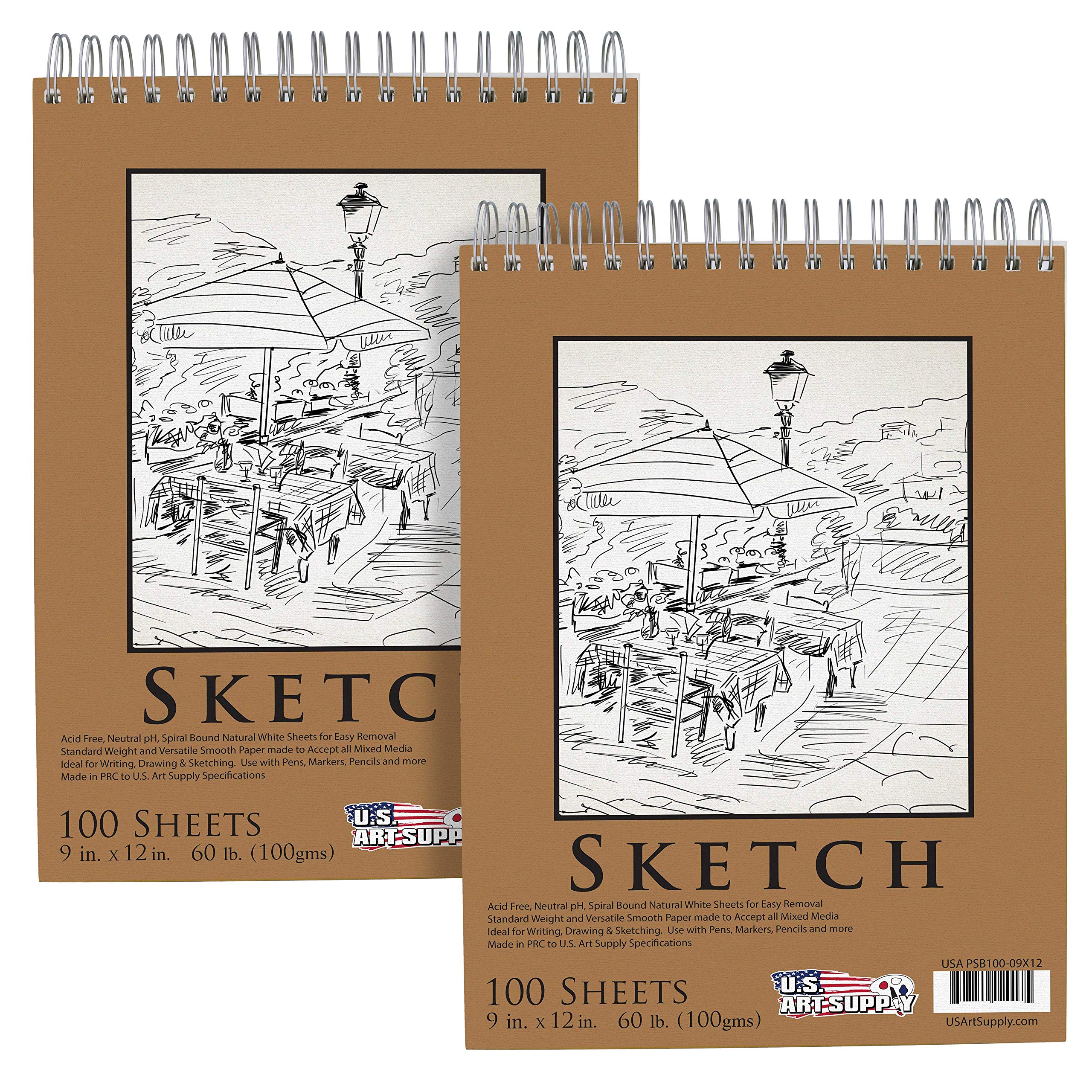
- Two sketch pads provide plenty of paper for making and practicing artwork.
- The acid-free paper suits a range of dry media.
- Top spiral binding makes pages easy to turn.
Best Gift For: Kids who like drawing, sketching, or practicing with dry media.
Whitelines Graph Notebooks 3-Pack
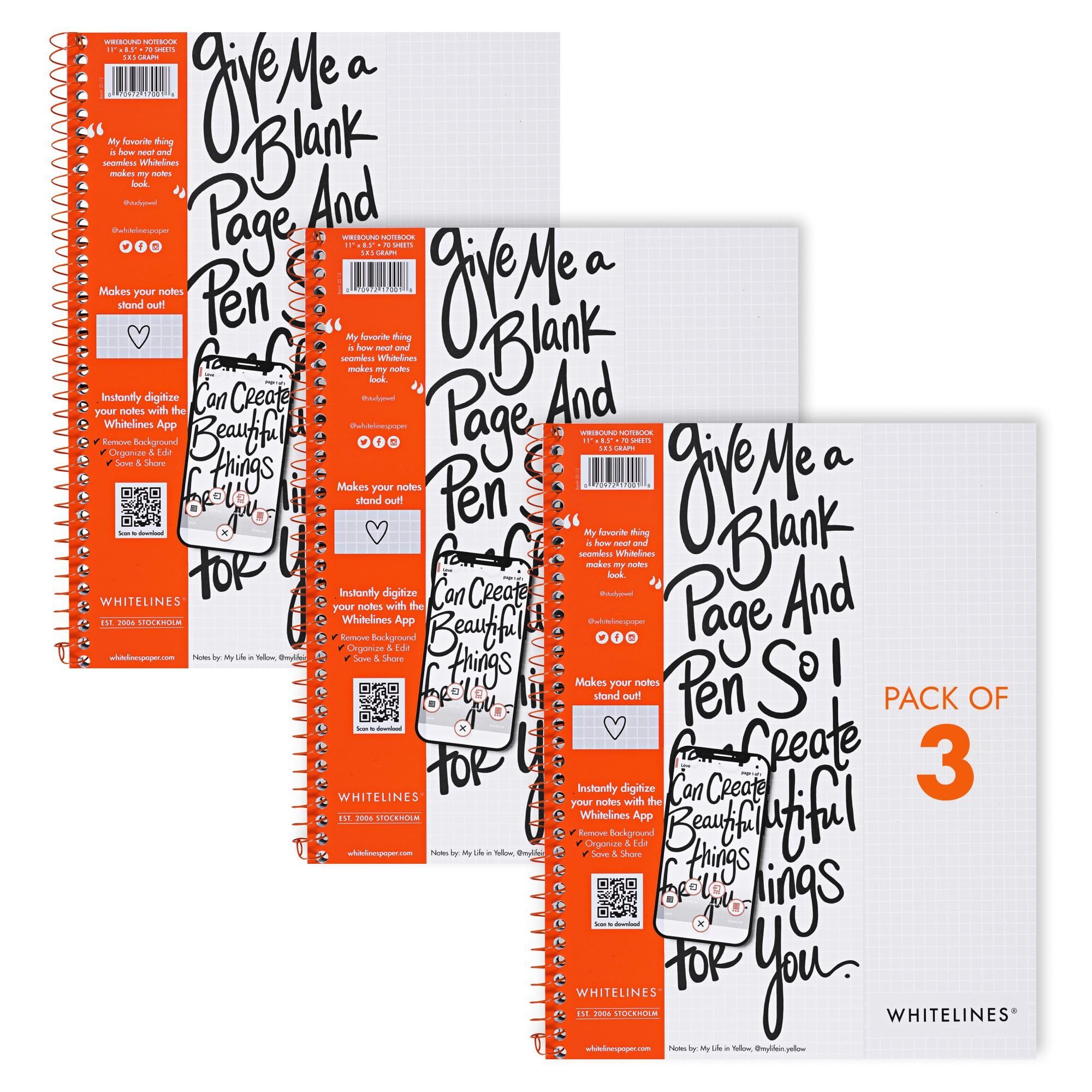
- The set includes three notebooks with graph paper.
- The light gray paper is designed to be less tiring on the eyes than white paper.
- An app can remove the page background from captured notes or drawings.
Best Gift For: Kids who enjoy recording observations, drawing, or organizing school notes.
Choosing Gifts for Kids Who Love Science Under 100
Start with the child’s age, attention span, and favorite way to explore. A young child may enjoy building or connecting pieces, while an older child might be ready to follow a sequence of steps and watch an experiment take shape.
Check age guidance and consider whether an adult will need to help.
Think about what happens after the gift is opened. Some children like a project with a visible result; others return to open-ended drawing, building, or note-taking.
A useful choice matches both the child’s curiosity and how much structure they enjoy.
If you are unsure, choose something that invites questions without requiring a particular hobby. Art supplies and notebooks can support observation and creativity alongside science projects, and they can be used in everyday schoolwork too.
Set a Budget That Fits the Occasion
For a small celebration or classroom gift, focus on a single activity or a practical supply the child can use repeatedly. For a larger occasion, you might pair a hands-on project with a notebook or drawing materials, keeping the overall gift manageable while giving the child more than one way to explore.
Consider what else the child may need to use the present. Check current product details for any required batteries, power connections, or adult assistance before buying.
A project that needs an extra household item may still work well, but it helps to know what to have ready.
Compare actual prices before checkout, since they can change. Keep the budget qualitative until you check the current amount, and leave room for any complementary supplies you decide to add.
A thoughtful gift does not need to be elaborate to make an afternoon interesting.
Personalize the Gift for a Curious Kid
For gifts for kids who love science under 100, personalization can come from the way you present the activity. Add a note inviting the child to record what they notice, sketch a prediction, or share their finished creation.
That small prompt turns opening the gift into the start of an activity.
Match the presentation to the child’s interests without assuming they have a specific hobby. A dinosaur fan may appreciate a playful card with a question about their favorite prehistoric creature; a child who likes experiments might enjoy a simple observation journal to use with a project.
If the gift is for a group or sibling, consider whether the activity encourages taking turns or making separate creations. A short note can suggest a shared afternoon with a parent, caregiver, or friend, while leaving the child free to explore at their own pace.
Make the Gift Easy to Enjoy
A hands-on gift is easier to appreciate when its first use feels simple. Before wrapping, check the contents and instructions, then decide whether it would help to include a small storage box or a place to keep unfinished work.
Avoid adding supplies until you have checked what the activity actually requires.
For a child who likes to draw or keep records, pair the main gift with a personal invitation to document the experience. They could draw what they notice, write down a question, or make a page about the result.
Keep the suggestion light so it feels like an option, not homework.
If you are giving a practical supply, wrap it with a colorful card or a few blank pages for an immediate first use. A handwritten message about what you hope they will make or discover adds warmth without turning the gift into a complicated bundle.
Last-Minute Shopping Advice
When time is short, choose the gift that best fits the recipient’s age and interests, then check the current product details, compatibility, dimensions, and delivery estimate before ordering. Delivery timing can vary, so use the estimate shown at checkout and keep a backup plan if the date matters.
If you are shopping for a child you do not know well, ask a parent or caregiver about age suitability, existing supplies, and any preferences that could affect the choice. This quick check can help avoid duplicates and make sure the gift will be usable at home.
For a last-minute in-person option, look for a simple presentation you can prepare yourself: a note with an observation prompt, a drawing idea, or an invitation to build together. The personal touch can make an ordinary practical gift feel chosen with care.